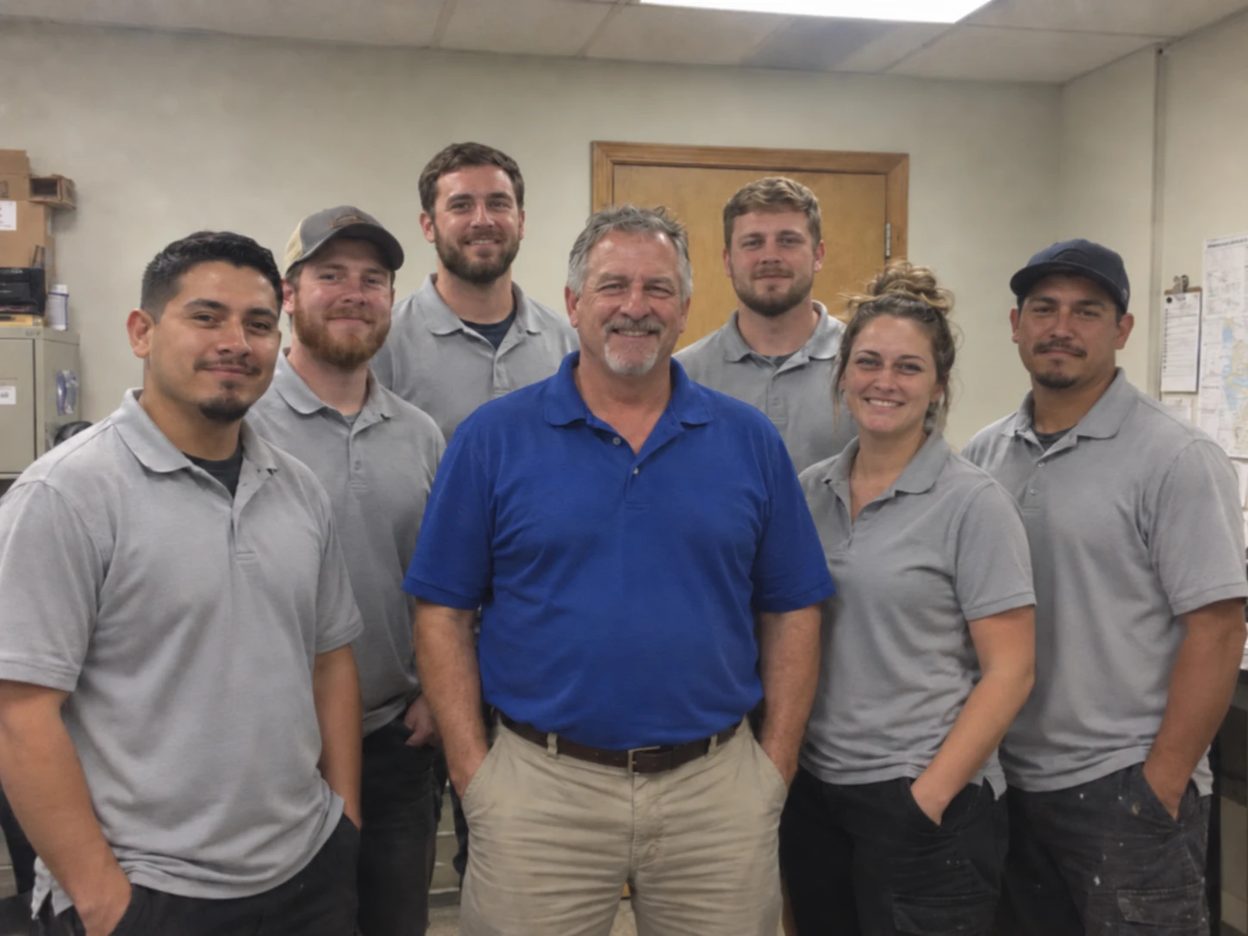
No two heating systems break the same way, and in Centreville homes the first question on any no-heat call is what kind of equipment we are dealing with. Furnaces most often stall on an oxidized flame sensor. The burners fire, the sensor fails to confirm the flame, and after three attempts the control board closes the gas valve and locks the system out. Cracked hot surface igniters, sticking pressure switches, plugged condensate traps on high-efficiency units, and tired blower motors round out the usual list. Heat pumps have their own failure patterns. A defrost cycle that falls short lets ice build up on the outdoor coil, a bad reversing valve traps the system in cooling mode, and a dead outdoor unit hands the whole load to the electric backup strips, which cost several times as much to run.
Fault codes are where our diagnosis starts, not where it ends. On every no-heat call, Centreville HVAC confirms the board's story with measurements: flame signal read in microamps, igniter resistance checked, the pressure switch tested against real inducer draft, capacitors and motors metered, and, on heat pumps, refrigerant charge and defrost operation verified. Any visit that touches the gas side also covers the safety basics. We leak-test the connections, look over the heat exchanger, and confirm the flue is drafting, since a repair that has not been proven safe is not a finished repair.
We service every common heating system type across all major brands, with igniters, flame sensors, capacitors, inducer motors, and blower motors stocked on the truck, so most homes have heat again the same visit. If your equipment is at the end of the road, we say so honestly and walk you through the options with real numbers. For fast heating repair anywhere in Centreville, call (571) 741-3121 and we will get the warm air moving today.
Our most requested repair is Furnace Repair in Centreville. If something has stopped working, start there.
When to Call for Heating Repair in Centreville
The sooner you notice these red flags, the easier and cheaper the problem is to resolve. Here are the most common indicators that it's time to call a professional:
- The system starting and stopping every few minutes without warming the house
- Banging at startup caused by burners lighting late
- Thick ice or frost covering the heat pump outside
- A rotten-egg, burning, or musty smell once the heat kicks on
- Heating bills spiking while comfort keeps falling
- A furnace that tries to light, clicks, and then quits
- Cold air, or no air at all, when the thermostat calls for heat
- Some rooms warm while others stay stubbornly cold
Early Action Saves Money
What seems like a minor issue today can take out a compressor or heat exchanger tomorrow. At the first hint of a problem, reach out to Centreville HVAC at (571) 741-3121 for a fast inspection.
Ready to Solve Your Heating Repair Problem?
Call our expert team for pricing today.
Get Help: (571) 741-3121Frequently Asked Questions About Heating Repair
Why Hire a Professional for Heating Repair?
The most serious heating failures are the ones nobody notices. A cracked heat exchanger can send combustion gases into the supply air, a blocked or failing flue can spill carbon monoxide into the house, and a furnace that lights late booms gas inside the exchanger, weakening it a little more every cycle. Without instruments, none of it is easy to spot. Even routine symptoms can mislead: a short-cycling furnace may have a bad limit switch, or it may simply be shutting down to protect itself from a choked filter. Clean a flame sensor without asking why it fouled, and the next lockout is already on the calendar.
That is why Centreville HVAC does not guess. Our technicians read flame signal on a meter, look at the heat exchanger directly, confirm the flue is drafting, and compare temperature rise to the data plate so the blower and the fire are properly matched. On heat pumps we check defrost controls, sensors, and the reversing valve rather than blaming the compressor, and we find out whether the electric backup heat has been running unnoticed and driving up your costs. Nothing is called fixed until it has run a full cycle and proven itself safe and correct, because that is what the machine heating your home deserves.
How Our Heating Repair Works
We work through a clear, repeatable process so nothing gets overlooked on your property. Here's how we handle heating repair from start to finish:
Testing & Safety Check
Each call begins with measurements, not guesses: flame signal, igniter resistance, pressure switch response, and motor and capacitor health, plus refrigerant charge and defrost on heat pumps. Gas connections are leak-tested as standard.
Findings & Upfront Pricing
We show you what failed and why, and give a firm price before work begins. If a cracked heat exchanger or dead compressor changes the math toward replacement, we say so plainly.
Same-Visit Repair
Igniters, flame sensors, pressure switches, capacitors, and motors ride on our trucks, so most heating repairs are completed the same visit and the house starts warming before we leave.
Final Testing
We run complete heating cycles, measure temperature rise against the data plate, confirm safe combustion and draft on fuel-fired equipment, and verify every safety control before we go.
Heating Repair Prevention Tips
Taking preventive measures can help you avoid costly heating and cooling problems down the road. Follow these tips from our experienced technicians:
- Replace filters monthly through the heating season to keep airflow strong and the heat exchanger from overheating
- Avoid crowding the furnace with storage, which can starve the burners of air
- Move solvents, paints, and pool or laundry chemicals away from the furnace to protect the burners from corrosive vapor
- Book a fall tune-up so worn parts are caught before the first cold night
- Take booming ignition or new rattles seriously; both are cheap to fix early and expensive late
- Give the outdoor heat pump unit open space, free of snow drifts and plantings, so it can defrost
- Install a CO detector on each floor and test them every month
Comparing DIY and Professional Heating Repair
Some simple checks are suitable for DIY, but most heating and cooling repairs benefit from professional tools, training, and experience. Here's a comparison:
| Factor | DIY Attempt | Professional Service |
|---|---|---|
| Carbon Monoxide | An unseen hazard never gets tested | Exchanger inspected, flue draft confirmed |
| Troubleshooting | Guessing from a blinking code | Readings taken before parts are replaced |
| Gas Connections | Small leaks slip by undetected | Connections leak-tested with instruments |
| Heat Pump Faults | Defrost problems misread as total failure | Boards, sensors, and valves tested properly |
| Root Cause | Quick fix, same failure next week | The fault behind the fault diagnosed |
| Verification | Called fixed after a single cycle | Full cycles run, temperature rise confirmed |
Schedule Your Heating Repair Service
Get your comfort back before a small fault becomes a full breakdown. Centreville HVAC is ready to respond fast.
Get Help: (571) 741-3121Areas We Serve for Heating Repair
We serve Centreville and its neighboring communities for heating repair, from quick same-day repairs to planned installs.